A Turkish wedding in Italy: traditions, venues and documents
A Turkish wedding in Italy needs a venue that understands a düğün: a long guest list, davul and zurna, a takı töreni and a dance floor that stays full. Here is how the traditions fit, what Turkish citizens need to marry legally in Italy, and how I can help.
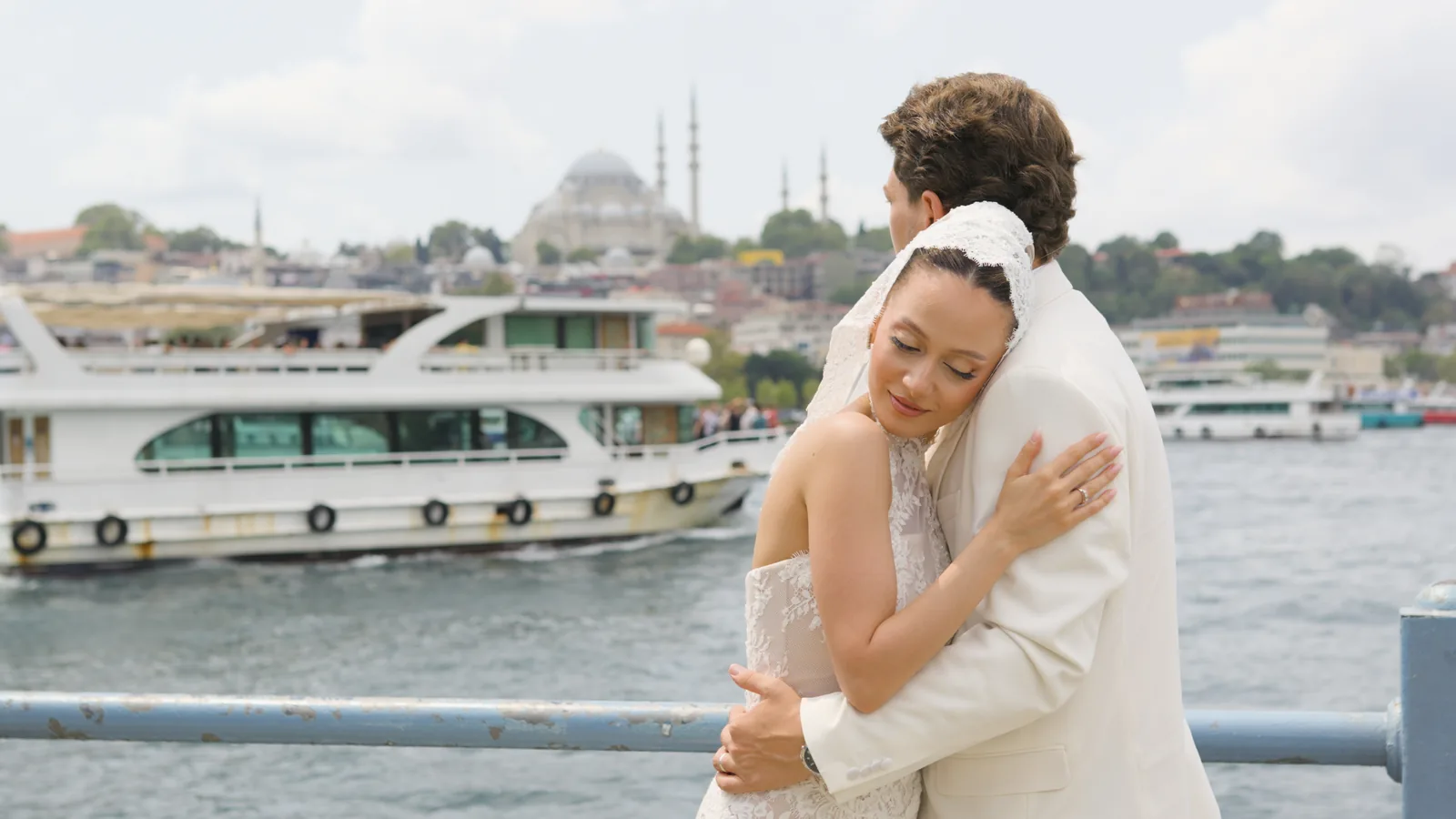
A Turkish wedding in Italy, or İtalya'da düğün, brings together two things that suit each other: a düğün's long guest list and dance floor, and a country built for long tables and late summer evenings. I am a wedding photographer and filmmaker based in Turin. I speak Turkish, Azerbaijani and Russian as well as English and Italian, and I photographed and filmed Gül and Oğuz's wedding in Istanbul in August 2025.
Customs in Türkiye change from region to region, and even from one family to the next: a Black Sea wedding is not an Aegean one. What follows is a general picture from official and community sources. Your elders know your family's way, and that is the version we follow on the day.
Why Turkish couples choose Italy
Many Turkish families have relatives both in Türkiye and in cities across Europe, and Italy sits in between. One Schengen visa covers the trip for guests travelling from Türkiye, and Italian venues are used to international weddings, foreign languages and guests who arrive a few days early.
The settings help too: royal residences and villas around Turin, castles in the Langhe and Monferrato hills, the lakes in the north. An Italian kitchen can feed a large wedding well, and in June the light in Turin lasts past 9 pm, which gives us time for portraits before the dancing starts.
How Turkish traditions fit an Italian wedding
Kız isteme, söz and nişan
The road to a Turkish wedding usually starts with kız isteme, when the groom's family visits the bride's family to ask for her hand. In many homes the bride serves Turkish coffee, and the groom's cup may arrive with salt in it, a playful test he is expected to drink with a smile. Once the families agree comes söz, the promise, and then the nişan, the engagement. In Bursa, for example, the Ministry of Culture describes the couple's rings tied together with a ribbon that a family elder cuts.
These are family evenings, usually at home and often months before the wedding. If your nişan takes place in Türkiye and the wedding in Italy, I can travel to photograph both, and the film can carry the story from one to the other.
Kına gecesi, the henna night
The kına gecesi is the henna night, traditionally held at the bride's family home the evening before the wedding. In the account from Bursa, the bride wears a coloured dress called a kınalık and a red veil over her head, candles are set into the henna, and her future mother-in-law presses gold into her palm as the henna is applied. Women sing slow, sad songs meant to make the bride cry, because she is about to leave her mother's house. Guests pin money on the bride as they dance with her.
In Italy the kına fits well into a welcome evening: a villa salon, a hotel terrace, a private room. In many families it is a women's night, so ask the venue for a space where the party can be private. Candles and red fabric look warm on camera, and I stay at the edge of the room and let the evening unfold.
Gelin alma and the red ribbon
On the wedding day, the groom's family comes to fetch the bride, traditionally with a procession and drums: the gelin alma. Before she leaves, her father or brother ties a red ribbon around her waist, a moment many families hold dear. The bride's friends and relatives often shut the door and only open it for a tip, and money may be asked of the groom's side before the bride steps out. When she arrives at her new home, rice, sugar and coins are scattered over her head for plenty and sweetness.
In Italy "home" is usually the bride's hotel suite or a room in the villa, and that works well. Tell me in advance who will tie the ribbon, so I can be inside the room before the door closes. The bargaining at the door is worth photographing too.
The düğün, takı and halay
At many Turkish weddings the nikah (in Türkiye the word usually means the civil marriage) is followed by the cake and the takı töreni: guests come up one by one to pin gold coins, jewellery or banknotes on the couple. Then the dancing takes over, with halay, the line dance danced hand in hand to davul and zurna, and regional dances from both families' home towns.
For your Italian venue, plan the takı properly. You need a clear spot near the head table, good light on the couple, a microphone for the announcer, and one trusted relative to keep the gifts safe. It can take a long time with a big guest list, so build it into the timeline instead of squeezing it between courses. For halay, ask for a dance floor with enough length for a long line, not a small square in the corner.
Planning a Turkish wedding in Italy
Venues, davul and zurna, and late music
Davul and zurna are loud, joyful and made for open air. Many Italian venues, especially villas near homes, have music curfews and sound limits set by local rules and their own licence. Before you book, ask in writing:
- the maximum seated guest count, and the indoor plan if it rains
- the exact time music must stop, indoors and outdoors
- whether drums and amplified live music are allowed
- whether the dance floor can sit in the centre of the room
- whether you can bring your own musicians, DJ or caterer
A venue that agrees to all five on paper is a venue that will not surprise you at midnight.
Food and an alcohol-free table
Some Turkish families want halal meat, an alcohol-free reception, or both. Ask caterers whether they can source halal meat; many can. Ask who certifies it and how the kitchen keeps it separate. If you want a dry reception, tell the venue at the first meeting, because it changes the bar contract and sometimes the price. Turkish coffee and tea late in the evening are easy wins.
Visas for guests from Türkiye
Guests travelling on Turkish passports need a Schengen visa for a short stay. According to the European Commission, applications go to the consulate of the country you will visit, at least 15 days and no earlier than six months before the trip. Processing normally takes 15 days and can take up to 45. The standard fee is €90 for adults and €45 for children aged 6 to 12.
Send invitations early, with the venue name and dates, so guests can book appointments with the Italian Embassy in Ankara or the Italian consulates in Türkiye.
The legal side for Turkish citizens
You have three routes.
1. A civil wedding at an Italian town hall. Italian law (article 116 of the Civil Code) asks every foreigner for a declaration that nothing prevents the marriage. Türkiye and Italy are both parties to the 1980 Munich Convention, so Turkish citizens can present the multilingual certificate of capacity to marry, which Italy accepts without legalisation. In Türkiye the nüfus müdürlüğü issues the Çok Dilli Evlenme Ehliyet Belgesi; abroad, Turkish missions issue it.
In Italy, the Turkish Consulate General in Milan and the consular section in Rome handle these requests by appointment, booked through konsolosluk.gov.tr. The Milan consulate's civil registry page links its current application form for the certificate (Evlenme Ehliyet Belgesi Başvurusu), so check the documents and any fee there before you book. Your comune will add its own steps: the Comune di Lucca, for example, asks couples to contact it six months ahead, to bring two witnesses, and to come in two or three days before the wedding, with an interpreter if needed. My guide to civil weddings in Italy for foreigners walks through the process.
2. A marriage at the Turkish consulate. According to the Milan consulate, Turkish missions can marry two people who are both Turkish citizens only, where local law allows it, but not if one partner is a foreign citizen or holds dual nationality. If you are both Turkish citizens only, ask the consulate about a consular marriage.
Ask the consulate directly whether it can marry you and how far ahead it opens dates.
3. Marry in Türkiye, celebrate in Italy. You can hold the nikah at a marriage office in Türkiye and then a symbolic ceremony in Italy, in any garden or salon the venue allows and at the hour the light is best. Some families also hold a religious ceremony; my guide to a nikah in Italy explains how that works here.
After an Italian wedding, register the marriage with the Turkish population records through the consulate or embassy, using the multilingual marriage extract (Modulo B) from the comune. One detail worth knowing early: Turkish law sets a 300-day waiting period for a divorced woman to remarry unless a Turkish court lifts it, and the Rome embassy's registration checklist asks for that court decision if the marriage took place before the 300 days had passed.
How I photograph a Turkish wedding
I speak Turkish with your families on the day. I understand the announcements at the takı, the jokes at the door and the songs at the kına, so I am already turning when something is about to happen. Elders can speak to me directly, without a cousin translating.
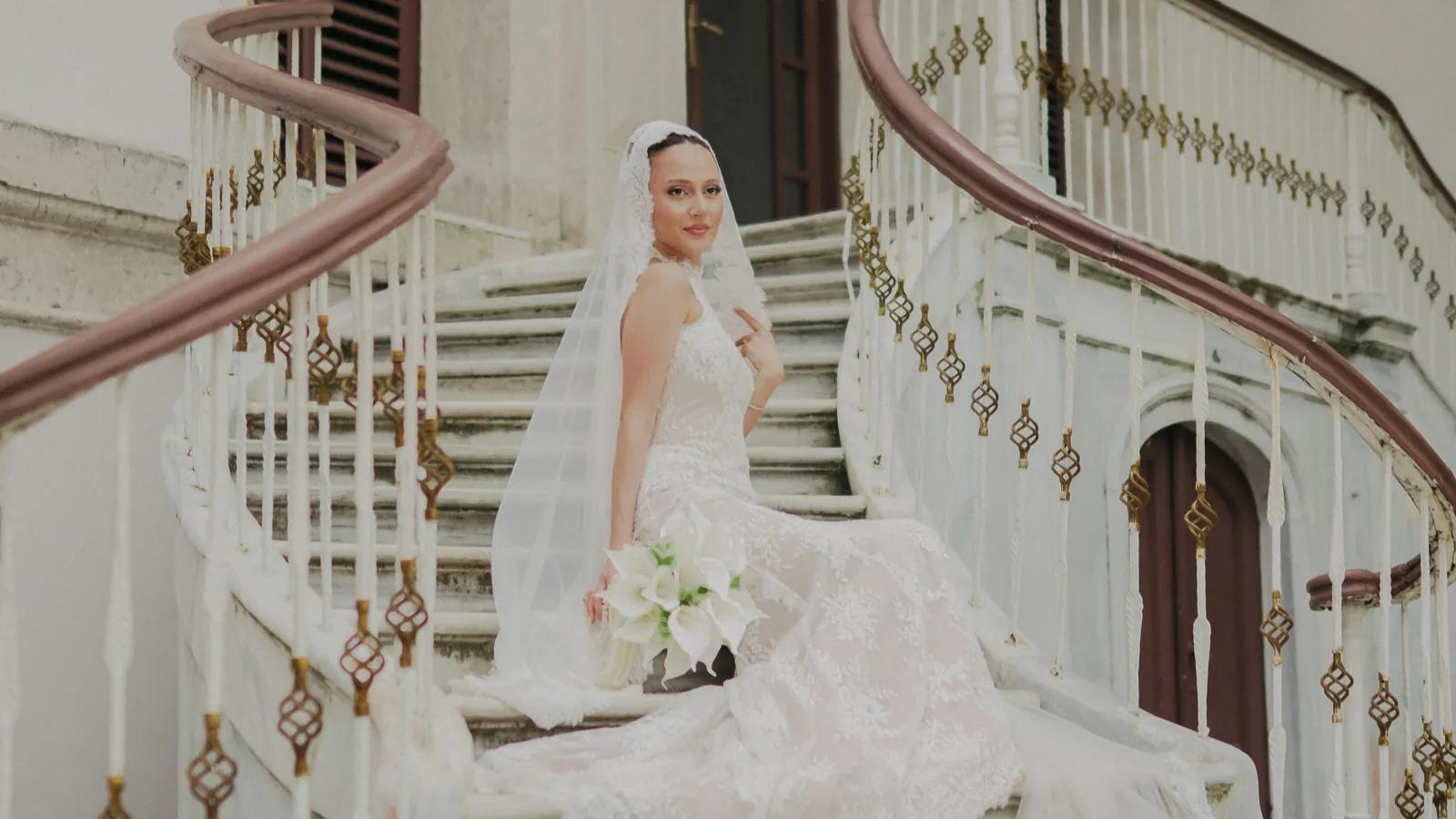
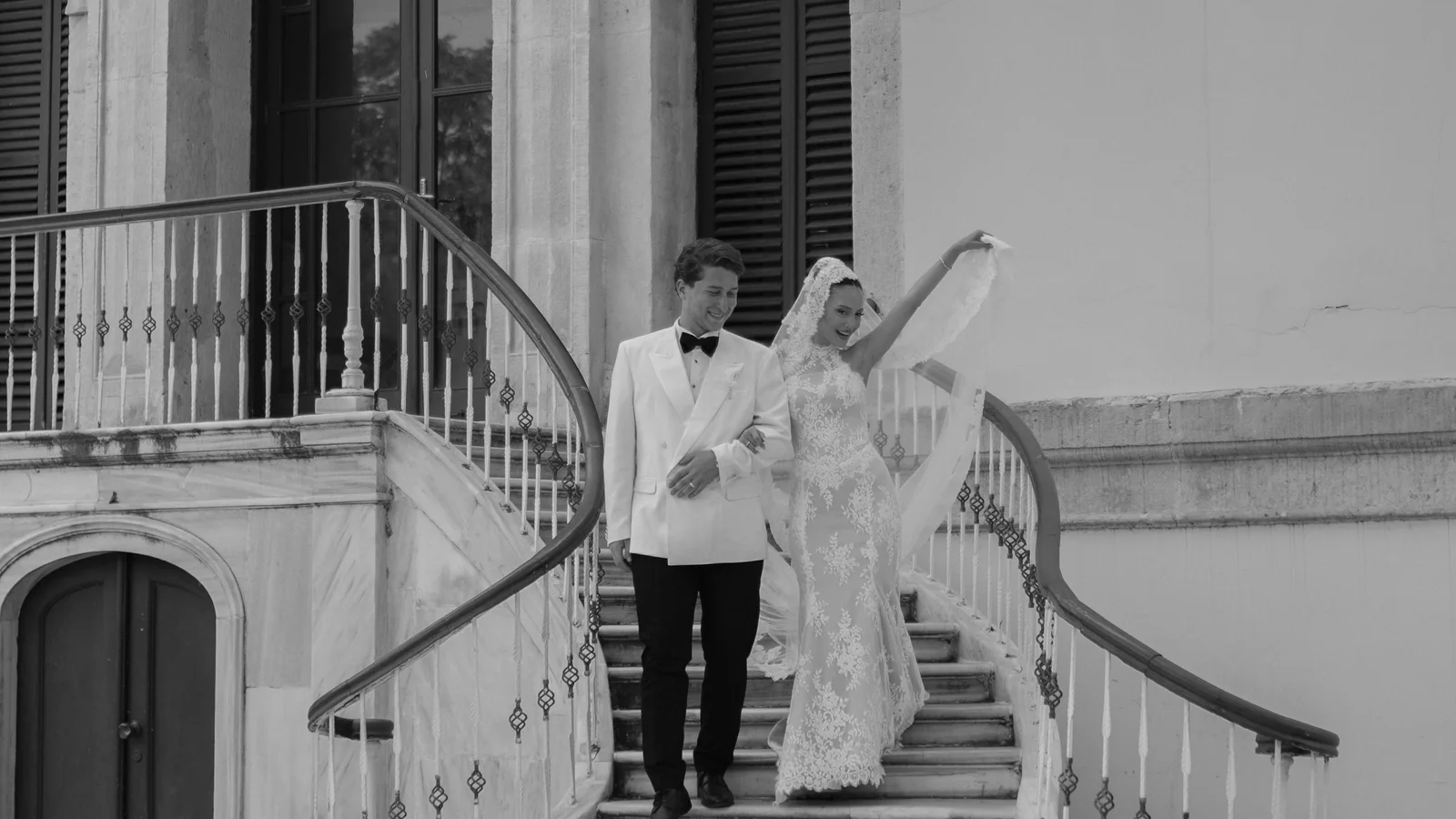
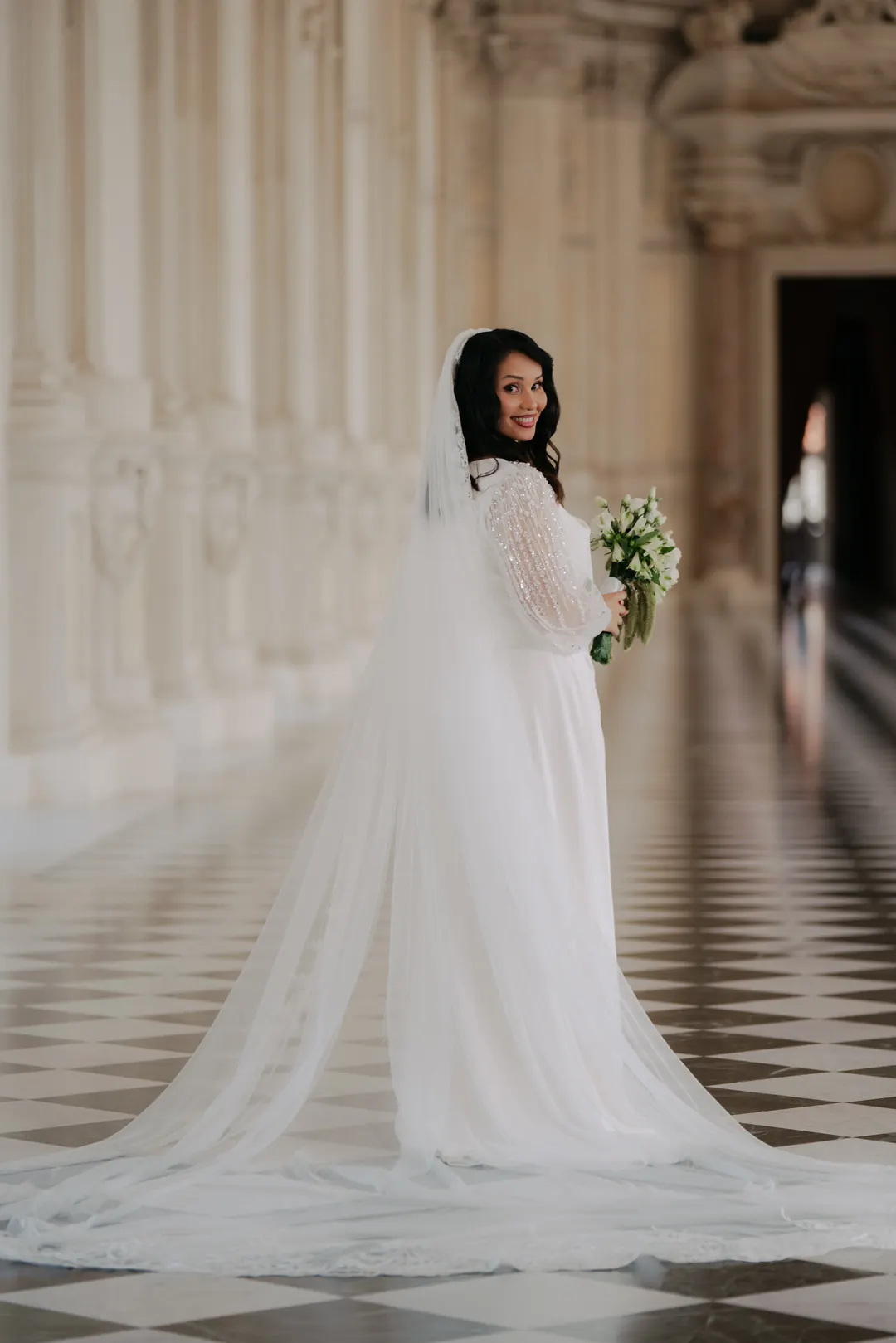
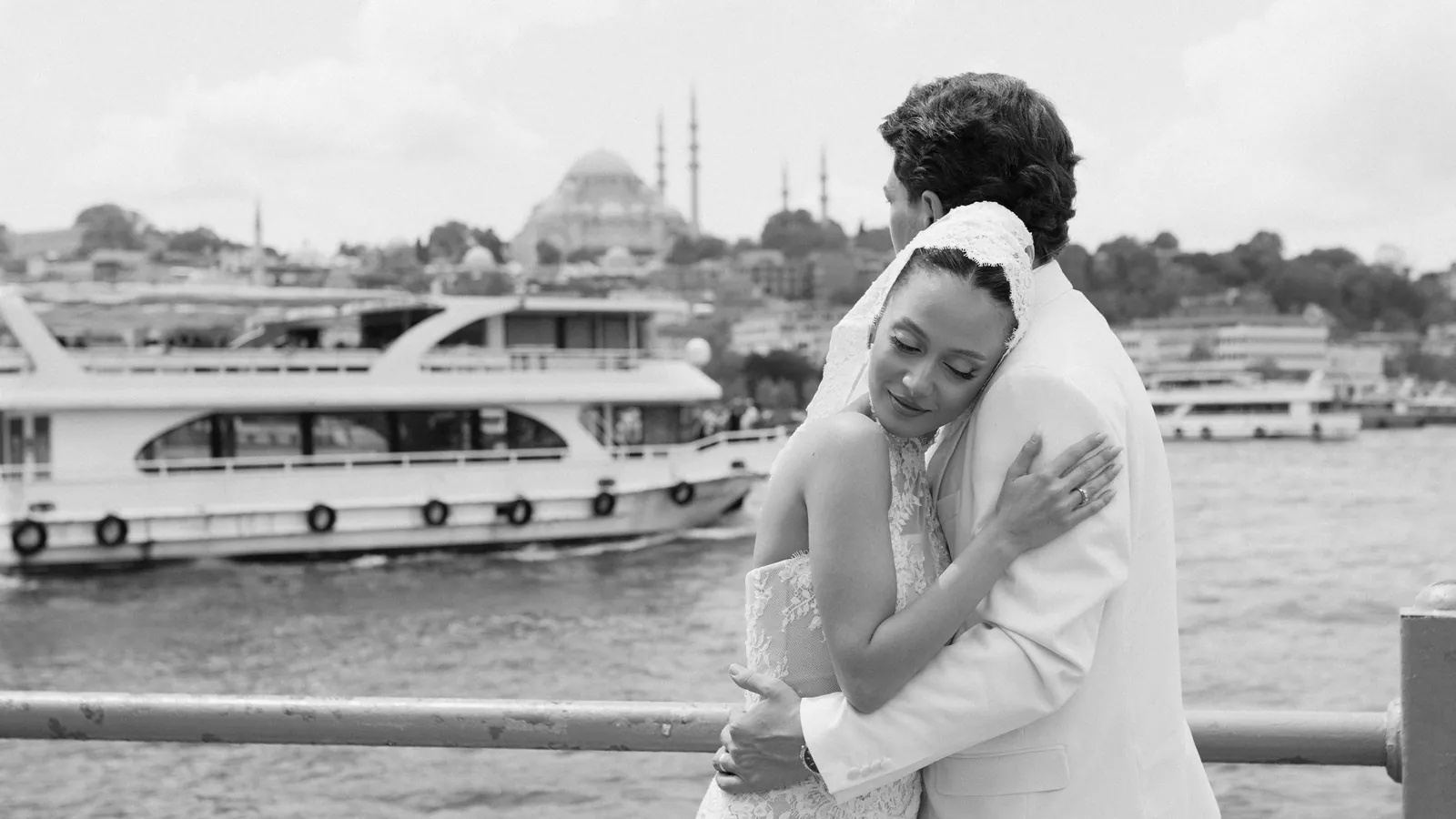
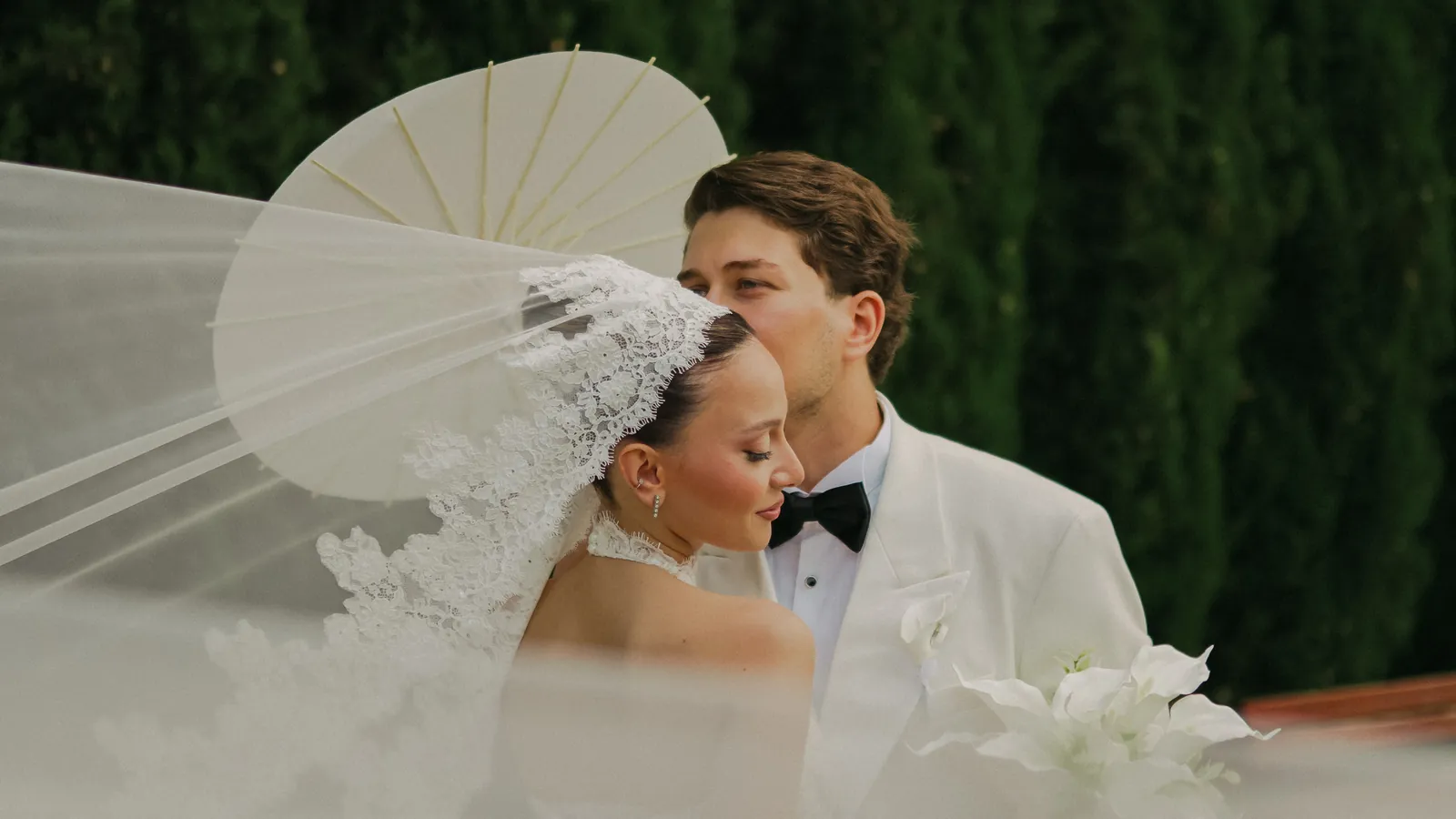
In Istanbul I photographed and filmed Gül and Oğuz's wedding in August 2025: cypress gardens, a spiral staircase and the Bosphorus (see their story). In Piedmont I photographed a wedding day at the Reggia di Venaria and a pre-wedding session in Susa, and you can see them all on my work page.
I shoot photo and film myself on one timeline, so you get one calm person following the day instead of two crews. I would rather you forgot I was there than felt posed. For a long düğün, my Signature Experience covers up to 12 hours, and a second photographer or videographer can be added so the bride's and the groom's sides are covered at the same time. If your family is Azerbaijani, see my page on Azerbaijani weddings in Italy.
FAQ
Can we have a full Turkish düğün at an Italian venue?
Yes, if you choose the venue with the düğün in mind. You need space for your full guest list, permission for davul, zurna or a live band, a central dance floor long enough for halay, and a music curfew that fits your plans. Ask each venue to confirm all of this in writing before you pay a deposit.
What documents do Turkish citizens need to marry in Italy?
The key document is the multilingual evlenme ehliyet belgesi, issued by the nüfus müdürlüğü in Türkiye or by a Turkish consulate abroad. Under the 1980 Munich Convention, Italy accepts it without legalisation. The comune will also ask for passports, witnesses' documents and an interpreter if needed. Confirm the full list with the comune where you will marry.
Can we get married at the Turkish consulate in Milan or Rome?
According to the Turkish Consulate General in Milan, a consular marriage is not possible if either of you holds another nationality or is a foreign citizen. Couples who are both Turkish citizens only should ask the consulate directly about availability. Appointments for consular services are booked through konsolosluk.gov.tr.
How do we register an Italian marriage in Türkiye?
Apply to the Turkish consulate or embassy with the multilingual marriage certificate (Modulo B) from the Italian comune and your Turkish identity cards. The Turkish Embassy in Rome's guidance says these applications can be made in person or by post. Ask the comune for the multilingual extract on your wedding day or soon after, so registration is not delayed.
How early should guests from Türkiye apply for Schengen visas?
Applications can be made up to six months before travel and no later than 15 days before. Processing normally takes 15 days but can take up to 45, so I suggest guests apply three to four months ahead. Give them your invitation with the venue name and the dates, which helps them prepare the supporting documents.
Can the music and dancing go on past midnight?
Sometimes. It depends on local rules and the venue's licence, and outdoor drums often have an earlier limit than indoor music. Get the exact finishing time written into your contract. Then we plan the evening backwards from it, so the takı, the cake and the last halay all fit before the music stops.
Do you speak Turkish with our families?
Yes. I speak Turkish, Azerbaijani, Russian, English and Italian, and I talk with families and guests in their own language on the day. The optional free 20-minute video call before booking can be in Turkish too, so parents can join and ask their own questions.
Will you photograph the kına gecesi and the wedding day?
Yes. I can cover the kına, the gelin alma and the düğün, in Italy or in Türkiye. Coverage depends on the hours you book, and travel and accommodation are added transparently to the quote. Send me the plan for each day and I will suggest what fits.
Let's plan your düğün
If you are planning a Turkish wedding in Italy, or a nikah in Türkiye with a celebration in Italy afterwards, send me your date and venue through the contact page. I reply personally within a day or two, in Turkish, English, Italian, Russian or Azerbaijani.
Sources
- Ministero della Giustizia: couples of different nationalities, marriage (article 116 Civil Code)
- Prefettura (Ministero dell'Interno): Munich Convention of 5 September 1980 on the certificate of capacity to marry, states parties and exemption from legalisation (PDF)
- T.C. Milano Başkonsolosluğu: Nüfus Bölümü, application forms including Evlenme Ehliyet Belgesi Başvurusu (updated July 2026)
- T.C. Milano Başkonsolosluğu: Dış Temsilcilikte Evlilik İçin Ön Başvuru (marriages at Turkish missions)
- T.C. Roma Büyükelçiliği Konsolosluk Şubesi: Evlilik Tescili (PDF)
- Nüfus ve Vatandaşlık İşleri Genel Müdürlüğü: Evlendirme Yönetmeliğinde değişiklik, Çok Dilli Evlenme Ehliyet Belgesi (PDF)
- Comune di Lucca: weddings for foreigners not living in Italy
- European Commission: applying for a Schengen visa
- T.C. Kültür ve Turizm Bakanlığı, Kültür Portalı: Bursa evlilik gelenekleri
- Vikipedi: Türk düğün gelenekleri
- Vikipedi: Halay
Keep reading
 Azerbaijani weddingsAn Azerbaijani wedding in Italy: traditions, venues and paperworkAn Azerbaijani wedding in Italy goes well when the venue understands what a toy is: a big guest list, live music, hours of dancing and families at the centre of everything. Here is how the traditions fit, what to ask venues, and how the legal side works.
 Planning guideNikah in Italy: a practical guide to a Muslim wedding in ItalyYou can hold a nikah in Italy, and many couples do, but on its own it does not make you married under Italian law. Here is how couples usually combine a civil ceremony, the nikah and the celebration, and what to ask venues about halal food, prayer space and privacy.