Jewish wedding in Italy: a practical guide to the chuppah, kosher food and the law
A Jewish wedding in Italy can be legally valid in its own right, thanks to the 1987 agreement between the Italian state and the Italian Jewish communities, but only on certain conditions. Here is how the law works, how to find a rabbi and kosher catering, and how the chuppah, Shabbat and a late hora fit an Italian venue.
A Jewish wedding in Italy joins one of the oldest Jewish stories in Europe: Jews have lived on the Italian peninsula since the second century BCE, and Rome has had a Jewish community for more than two thousand years. I am a wedding photographer and filmmaker based in Turin. This guide covers the practical side: the law, the rabbi, kosher food, the calendar, the venue and the camera.
Jewish weddings differ between Ashkenazi, Sephardi, Italian and Mizrahi traditions, between Orthodox, Conservative, Reform and secular families, and between couples who are both Jewish and interfaith couples. I describe the common ground and point out where it varies. Your rabbi has the final word.
Why couples choose Italy for a Jewish wedding
Italy gives you villas and gardens, lakes and hills, long summer evenings and generous food. It also gives you a living Jewish community to work with. About 28,000 Jews live in Italy today, most of them in Rome and Milan, organised in 21 communities under the Unione delle Comunità Ebraiche Italiane (UCEI).
For couples marrying in the north, Turin's community is the fourth largest in Italy, with about 800 members, and Piedmont is among the Italian regions with the most Jewish sites still preserved. Venice, Florence, Livorno, Trieste and Genoa have medium-sized communities too.
The ceremony and how it fits an Italian venue
The order varies, but most Jewish weddings share these moments: a tisch, where the groom sits with family and friends singing; the bedeken, when he veils the bride; the signing of the ketubah, the marriage contract, before witnesses; the ceremony under the chuppah, the canopy open on all sides; the rings; the reading of the ketubah; the sheva brachot, seven blessings over wine; the breaking of the glass; yichud, a few minutes alone; and then the dancing, often with the couple lifted on chairs.
| Moment | Italian setting | Ask the venue |
|---|---|---|
| Tisch | Library, small salon, side terrace | A long table, food and drink, room to sing |
| Bedeken | A room close to the ceremony | A clear path, no guests crossing |
| Ketubah signing | Quiet table near the chuppah | Good light, chairs for witnesses |
| Chuppah | Lawn, terrace, courtyard | Level ground, wind, shade, a rain plan |
| Yichud | Private room near the ceremony | A closed door and a plate of food |
| Hora | Ballroom or marquee | Space, ceiling height, sturdy chairs |
If you want the chuppah under the open sky, remember that on the lakes and in the hills there is wind: ask how the canopy will be fixed, and who will hold the poles. Agree a covered place for rain that still feels like a chuppah, not a corridor.

Shabbat, festivals and choosing a date
Jewish weddings are not held on Shabbat or on festivals, and Fridays are generally avoided because Shabbat begins at nightfall. The calendar adds two longer periods:
- The Omer, between Pesach and Shavuot, when weddings are not held on at least 33 days; which days depends on your community's custom. In 2027 Pesach begins on the evening of 21 April, Lag BaOmer falls on 25 May, and Shavuot begins on the evening of 10 June.
- The Three Weeks, from the 17th of Tammuz to Tisha B'Av, in 2027 from 22 July to 12 August. Ashkenazi Jews do not marry in this period; Sephardi Jews may until the month of Av begins.
Autumn brings the High Holy Days: in 2027 Rosh Hashanah begins on the evening of 1 October, Yom Kippur on the evening of 10 October and Sukkot on the evening of 15 October. Speak with your rabbi before you hold any date with a venue.
A summer Saturday night is possible but late. In Turin, Shabbat ends at 10:17 pm on 19 June 2027, so the chuppah would start close to 11 pm. In summer, a Sunday or a weekday is the easier choice. If observant guests arrive for Shabbat, book their rooms within walking distance of the meals and the services, and ask the venue where candles may be lit safely.
Rabbis, kashrut and the Italian Jewish communities
Finding a rabbi
Start with the community nearest your venue. Each of the 21 communities has its own offices, and many have a rabbinical office (ufficio rabbinico); in Turin, the community's website lists its rabbinical office with its religious services. Ask early what the rabbi needs: rabbis usually ask about both partners' Jewish status and may want letters or documents from your rabbi at home.
You can also bring your own rabbi from home. That works well for the ceremony, but a rabbi without Italian citizenship cannot give the marriage civil effect in Italy, so the legal part happens at a town hall or at home (see below). This route also suits interfaith couples, and couples who want a Reform or humanist ceremony.
Kosher catering for a wedding in Italy
UCEI runs a kasherut service and a national kosher certification, K.it, supervised by the Italian Rabbinical Assembly. For a wedding, ask the local community or rabbinate which caterers they supervise. Most Italian Jews live in Rome and Milan, so a kosher caterer may travel from there to your venue.
Then ask the venue three things in writing: whether an external kosher caterer may work in their kitchen or must bring a mobile one, whether a mashgiach (supervisor) can be present throughout, and how their own staff will serve without mixing equipment. Italian menus lean on butter, cheese, cream and pork, so a kosher menu is a real rewrite: no parmesan over a meat course, desserts made without dairy after meat. Italian kosher wines exist; ask the caterer for a tasting.
Venue requirements
- Exclusive use helps, so that the bedeken, yichud and the ketubah signing happen without strangers passing.
- Seating: some Orthodox families want separate seating at the ceremony, or a mechitza dividing the dance floor. Check the room can take it.
- The hora: chairs lifted above the crowd need space and height. Chandeliers and low beams are a real limit in historic rooms.
- Music and finishing time: each comune sets noise limits and can authorise events above them, and venues add their own rules. Get the last time for music in writing.
- Rooms: a yichud room, a room for the tisch and a place for elderly guests to rest.
The legal side: the 1987 intesa
Italy and the Union of Italian Jewish Communities signed an agreement (intesa) on 27 February 1987, which became Law 101 of 8 March 1989. Article 14 recognises the civil effect of marriages celebrated in Italy according to the Jewish rite, before a minister of worship who has Italian citizenship, provided the act is transcribed in the civil register after publications at the comune.
In practice it works like this:
- You tell the civil status office of the comune that you intend to marry under the Jewish rite and ask for the publications. Foreign partners also need a nulla osta from their own country.
- The office checks that nothing prevents the marriage and gives you a clearance in duplicate.
- Right after the ceremony, the rabbi explains the civil effects of marriage and reads the relevant articles of the Civil Code.
- Within five days the rabbi sends the act to the comune, which transcribes it within 24 hours. The marriage counts from the moment of the ceremony.
The same article keeps the right to hold a purely religious marriage. If your rabbi comes from abroad, marry civilly in Italy or legally at home, and hold the Jewish ceremony at the venue. My guide to civil weddings in Italy for foreigners explains documents, town halls and fees.
Photography and film planning
The moments that matter. The singing at the tisch, the father's face at the bedeken, the witnesses signing, the walk to the chuppah, the circling if your community keeps it, the rings, the glass and the shout of mazal tov, the chairs going up. Write me your list, including the grandparents and the people who must be in a photograph together.
What I do not photograph. I stay outside yichud: I photograph you going in and coming out, never the room. If your families keep Shabbat, I do not photograph on Shabbat, and we plan coverage around it: the welcome on Thursday, the wedding on Sunday, or the evening after havdalah.
Under the chuppah. I ask the rabbi before the ceremony where I may stand and how close to the canopy the camera may come. I never use flash during the ceremony. For a night chuppah, ask your planner for warm light on the canopy and on faces; I plan the camera around it.
A second shooter. The hora happens in a circle, and one camera always sees backs. A second photographer or videographer can be added to any collection, so one of us is inside the circle and one above or beside it.
Coverage and light. My collections run up to 6, 8 or 12 hours, I write a tailored proposal for several days, and I send my prices personally once I know your date and venue. In mid-June the sun sets around 9:20 pm in Turin, so a Sunday chuppah at 6 or 7 pm leaves time for portraits in the last soft light. My wedding day timeline guide has sample schedules, and the cost guide shows typical prices in Italy.
How I can help
I will be honest: the weddings on my work page are in Piedmont, on Lake Como, in Baku and in Istanbul, and Jewish weddings are not among them yet. What I bring is a calm, documentary way of working, respect for the rabbi's instructions and your families' customs, and one person shooting photo and film on one timeline.
Every collection includes a pre-wedding consultation, where we build the day around the chuppah, the calendar, the venue's rules and the evening light, with a rain plan. I work directly with planners, and I speak English, Italian, Russian, Turkish and Azerbaijani. You can read how I work step by step.
FAQ
Is a Jewish wedding legally valid in Italy?
It can be. Under Law 101 of 1989, which approved the 1987 agreement with the Italian Jewish communities, a Jewish wedding has civil effect if a rabbi with Italian citizenship celebrates it, after publications at the comune, and sends the act for transcription within five days. Otherwise the ceremony is religious only, and couples marry civilly in Italy or at home.
How do we find a rabbi for a wedding in Italy?
Contact the rabbinical office of the Jewish community nearest your venue; Italy has 21 communities under UCEI, with the largest in Rome and Milan and medium ones in Turin, Florence, Venice, Livorno, Trieste and Genoa. Ask early what documents they need about both partners. Your own rabbi from home can also lead the ceremony.
Can our rabbi from home marry us in Italy?
Yes, for the religious ceremony. For the marriage to have civil effect in Italy, the rabbi must be a minister of the Italian communities with Italian citizenship. If your rabbi is not, marry civilly at an Italian town hall, with a nulla osta from your country, or legally at home, and hold the chuppah at your venue.
How do we find kosher catering in Italy?
Ask the local Jewish community or rabbinate which caterers they supervise, and look at UCEI's kasherut service. Then confirm in writing that the venue lets an external kosher caterer work in or beside its kitchen, with a mashgiach present. Hold a tasting: Italian menus rely on butter, cheese and pork, so a kosher menu needs real rewriting.
Can we get married on a Saturday in Italy?
Only after Shabbat ends. In summer that is late: in Turin, Shabbat ends at 10:17 pm on 19 June 2027, so the chuppah would start around 11 pm. A Sunday or a weekday is easier. In winter Shabbat ends much earlier, so a Saturday night wedding is easier.
Which dates should we avoid for a Jewish wedding in 2027?
Shabbat and festivals; parts of the Omer between Pesach (from the evening of 21 April) and Shavuot (from the evening of 10 June), depending on your custom; the Three Weeks from 22 July to 12 August; and the High Holy Days and Sukkot in October. Confirm the exact days with your rabbi.
Do you photograph on Shabbat?
If your families keep Shabbat, no. We plan coverage for the days and hours around it: a welcome dinner before Shabbat begins, the wedding on Sunday, or a Saturday night wedding after havdalah. If only some guests are observant, we agree together which moments I photograph and where.
Planning your Jewish wedding in Italy
Tell me your date, your venue and your rabbi's plan, and I will tell you honestly how I would cover the day. Send me your date and venue through the contact page. I reply personally within a day or two.
Sources
- Presidenza del Consiglio dei Ministri: agreements (intese) with religious denominations (UCEI, signed 27 February 1987, Law 101/1989)
- Legge 8 marzo 1989, n. 101, article 14 (marriage), Normattiva
- Ministero della Giustizia: couples of different nationalities, marriage (article 116 Civil Code)
- UCEI: kasherut
- Moked, UCEI news portal: K.it, the Italian kosher certification
- Moked, UCEI news portal: the 21 Italian Jewish communities
- Comunità ebraica di Torino
- European Jewish Congress: Italy
- Chabad.org: approved dates for a wedding
- Hebcal: Jewish holidays 2027
- Hebcal: Shabbat times for Turin, June 2027
- My Jewish Learning: being a guest at a Jewish wedding
- Legge 26 ottobre 1995, n. 447 (noise), article 6, Normattiva
- NOAA solar calculator, used for sunset times
Keep reading
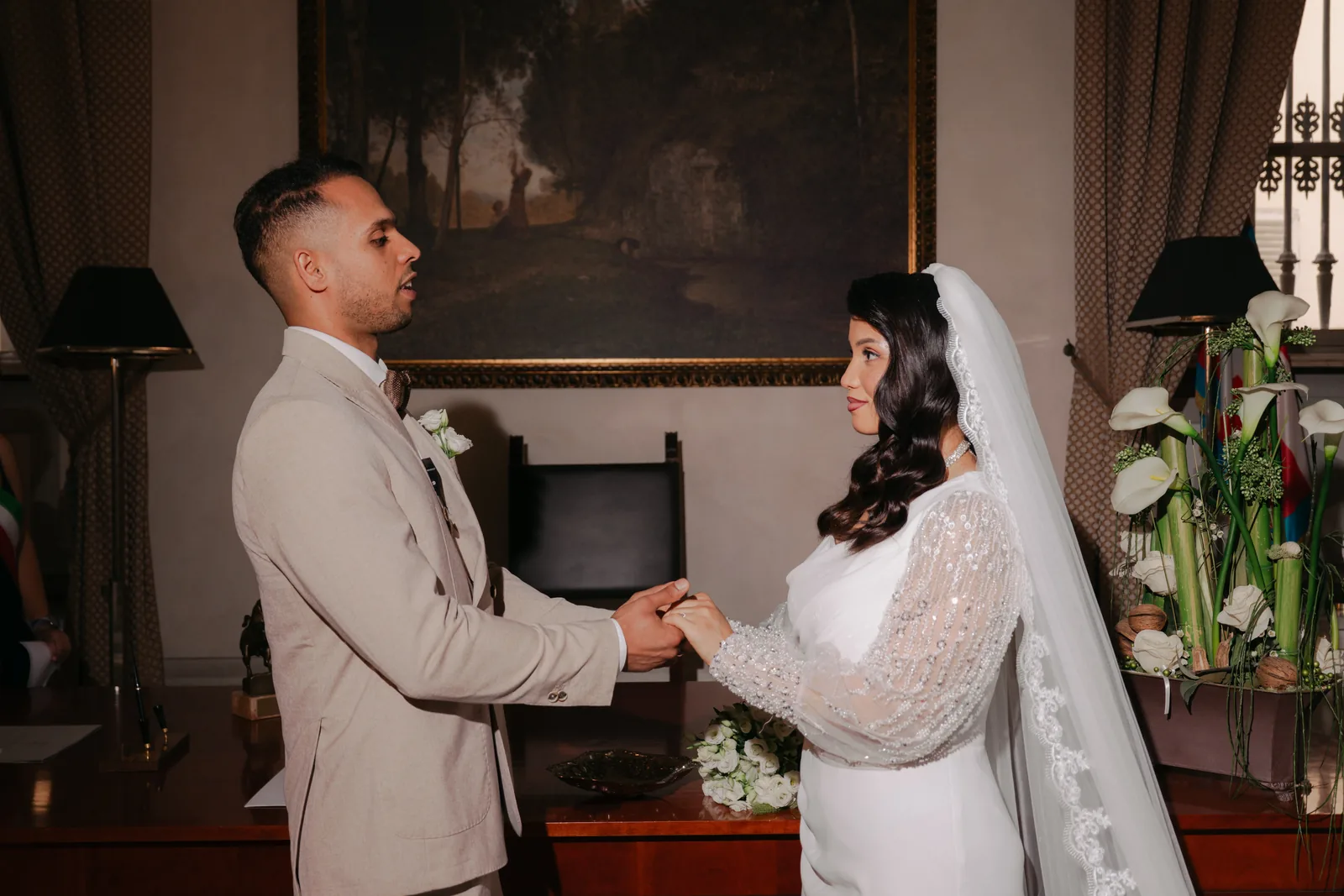 Planning guideCivil wedding in Italy for foreigners: the documents, the steps and the rules by nationalityTwo foreigners can marry legally in Italy, and the marriage is normally recognised at home. You need a nulla osta from your own country, translated and stamped documents, two witnesses and a booking with the town hall. Here is how it works, step by step and nationality by nationality.
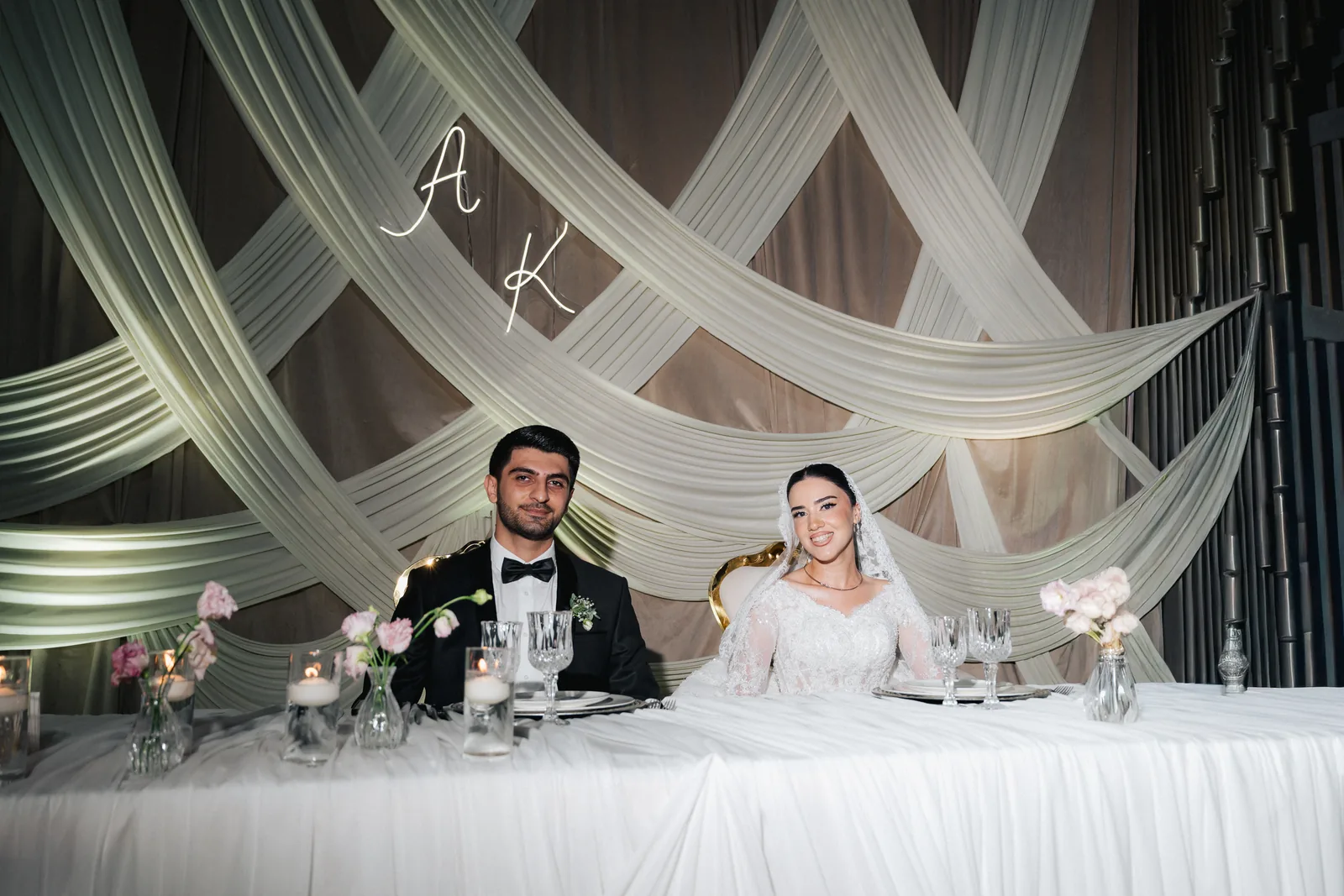 Planning guideWedding day timeline in Italy: five sample schedules built around the lightA good wedding day timeline starts from two fixed points, the ceremony and the sunset, and fills the hours between them with enough slack that nobody has to run. Here are five real-world schedules for Italy, with the hours of photography and film each one needs.
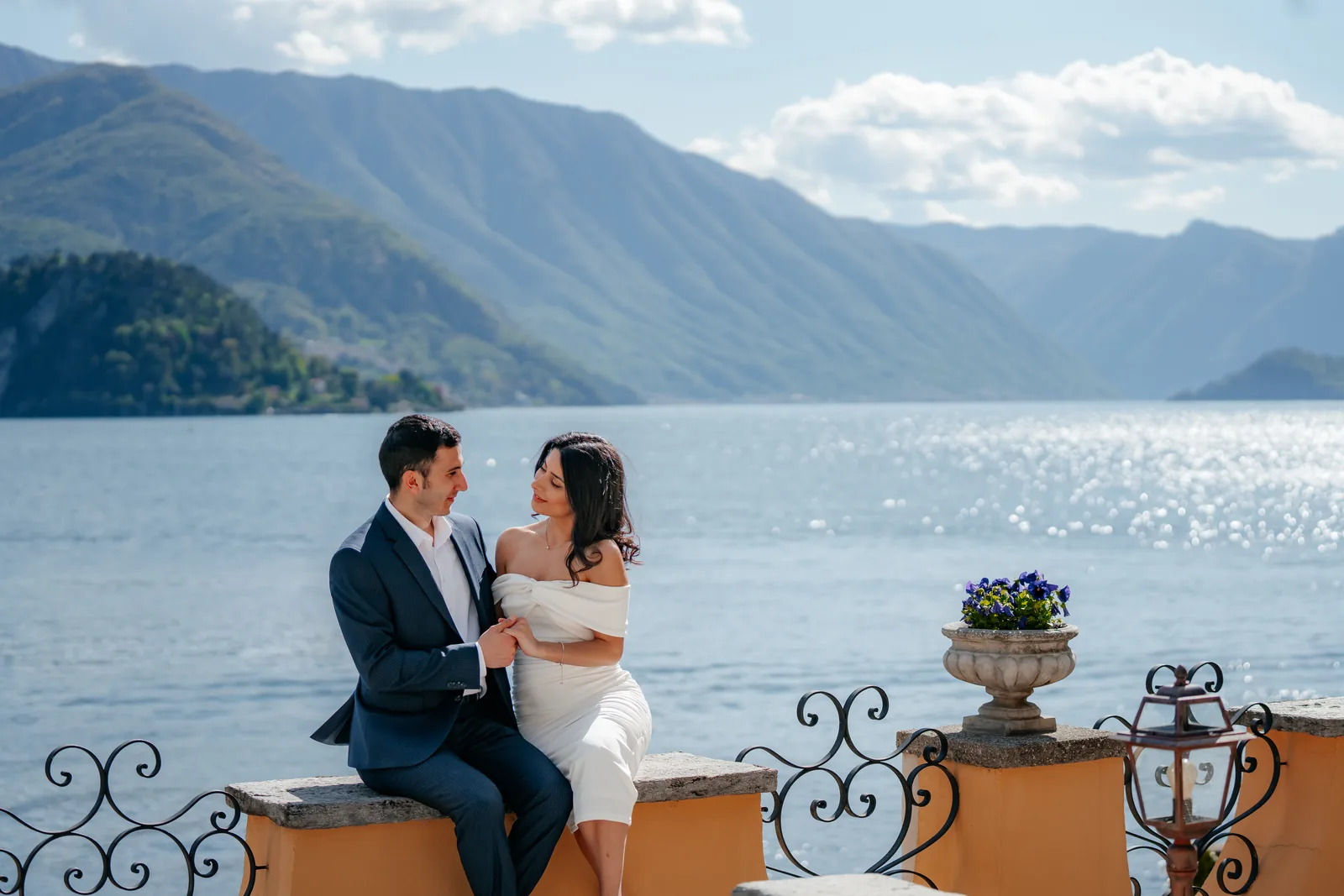 Planning guideHow much does a wedding photographer cost in Italy? Real prices for 2027Italian couples spend on average €1,850 on wedding photography, and in a 2025 survey most photographers in Italy charged €1,500 to €2,500 for a full day. Couples travelling in for a destination wedding usually see €3,000 to €8,000, more on Lake Como and in Puglia, and over €10,000 at luxury studios.