Nikah in Italy: a practical guide to a Muslim wedding in Italy
You can hold a nikah in Italy, and many couples do, but on its own it does not make you married under Italian law. Here is how couples usually combine a civil ceremony, the nikah and the celebration, and what to ask venues about halal food, prayer space and privacy.
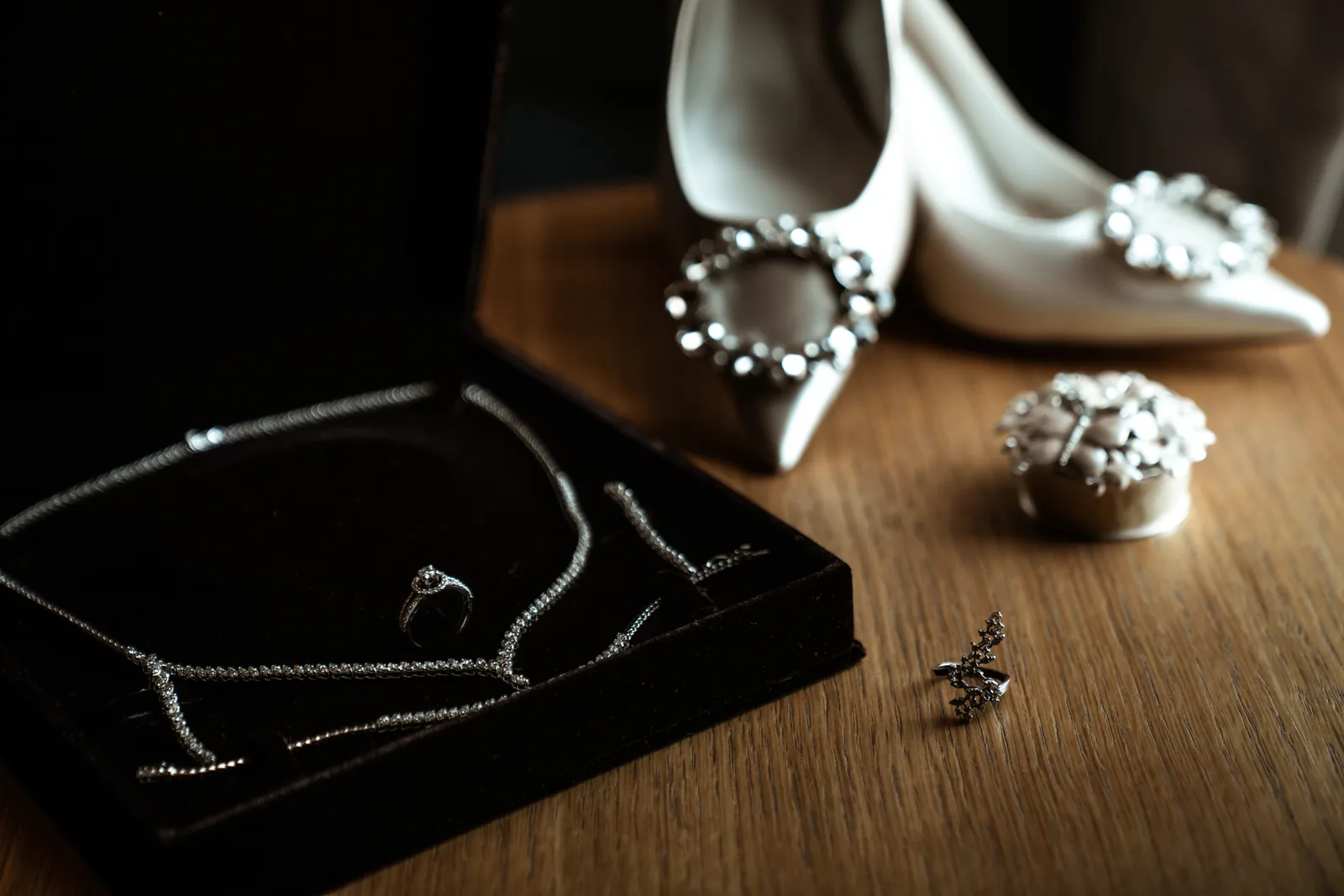
A nikah in Italy can be as simple as a few words, two witnesses and a family around a table, or the centre of a long, generous celebration in a villa. I am a wedding photographer and filmmaker based in Turin, and I speak Azerbaijani, Turkish, Russian, English and Italian. This guide covers the practical side of a Muslim wedding in Italy: the law, the imam, the venue, the timing and the camera.
One note before we start. Practice differs between Sunni and Shia traditions, between schools of law, and between families from Baku, Istanbul, Casablanca or Lahore. I describe the common ground and point out where it varies. Your imam and your families have the final word.
What is a nikah?
The nikah is the Islamic marriage contract. At its heart are the consent of both partners, an offer and an acceptance (often called ijab and qubul), and the mahr, the gift the groom commits to the bride. Most Sunni schools also require a wali, a guardian who represents the bride, usually her father, while the Hanafi school does not require one for an adult woman. Witnesses are required in Sunni practice and recommended in Shia practice.
Around these essentials, families add their own customs: a short sermon (khutbah), recitation from the Quran, duas for the couple, a signed contract, sweets for the guests. Azerbaijani families often call it kəbin; in Türkiye people speak of a dini nikâh or imam nikâhı. The celebration that follows, the walima, takes whatever shape the families choose.
Is a nikah legally valid in Italy?
On its own, no. Italian law recognises a religious marriage only in specific cases: a Catholic wedding transcribed into the civil register, or a ceremony of one of the faiths whose agreement (intesa) with the state provides for marriages with civil effect. No Islamic organisation is on the government's list of these agreements.
There is one narrow route. Under a 1929 law, a marriage celebrated by a minister of an "admitted" religion can have the same effect as a civil marriage, but only if the government has approved that minister's appointment and the civil formalities are followed. The same law says plainly that acts by a minister without that approval have no civil effect. Unless your imam can confirm in writing that he holds an approved appointment and the comune agrees to the procedure, treat the nikah as a religious ceremony only.
So couples also marry civilly, in one of two ways:
- A civil wedding in Italy. Each foreign partner needs a nulla osta, a declaration from their own country that nothing prevents the marriage (article 116 of the Italian Civil Code), plus witnesses, an appointment at the town hall, and an interpreter if needed. My guide to civil weddings in Italy for foreigners explains each step.
- A legal marriage at home. You marry at the registry office in your own country, then hold the nikah and the celebration in Italy, where the law asks nothing of you.
Without a civil marriage, Italian authorities do not treat you as married. If you live in Italy or plan to, that matters for residence, tax and inheritance, so take advice from a lawyer if you are unsure.
Who can perform a nikah in Italy?
Any imam your families trust can lead the nikah, because Italian law does not regulate a ceremony without civil effect. Couples usually take one of three routes:
- A local Islamic centre or mosque. Contact them early, explain the date and the venue, and ask whether the imam can come to the venue or whether the nikah must take place at the centre.
- An imam who travels with your family. Many families prefer a religious figure who knows them. Check visas and travel early if he comes from outside the Schengen area.
- A family elder or scholar, where your tradition allows it. Ask your own imam at home what is acceptable.
Questions worth asking any imam: which language he will use (Arabic, with Turkish, Azerbaijani, Urdu or English explanations?), what documents he needs, whether he wants to see your civil marriage certificate first, how long the ceremony lasts, and whether photographs and filming are welcome during the contract.
How couples combine the civil ceremony, the nikah and the celebration
There is no single right order. Three patterns are common:
| Pattern | How it works | Good for |
|---|---|---|
| All in one day | Civil ceremony at the town hall in the morning, nikah at the venue in the afternoon, reception in the evening | Couples who want one big day |
| Nikah first, wedding later | A small nikah at home, at a mosque or in a hotel suite a day or more before; civil ceremony and celebration on the main day | Families who want the nikah intimate |
| Legal at home, celebration in Italy | Registry office in your own country; nikah and reception in Italy | Couples who want no Italian paperwork |
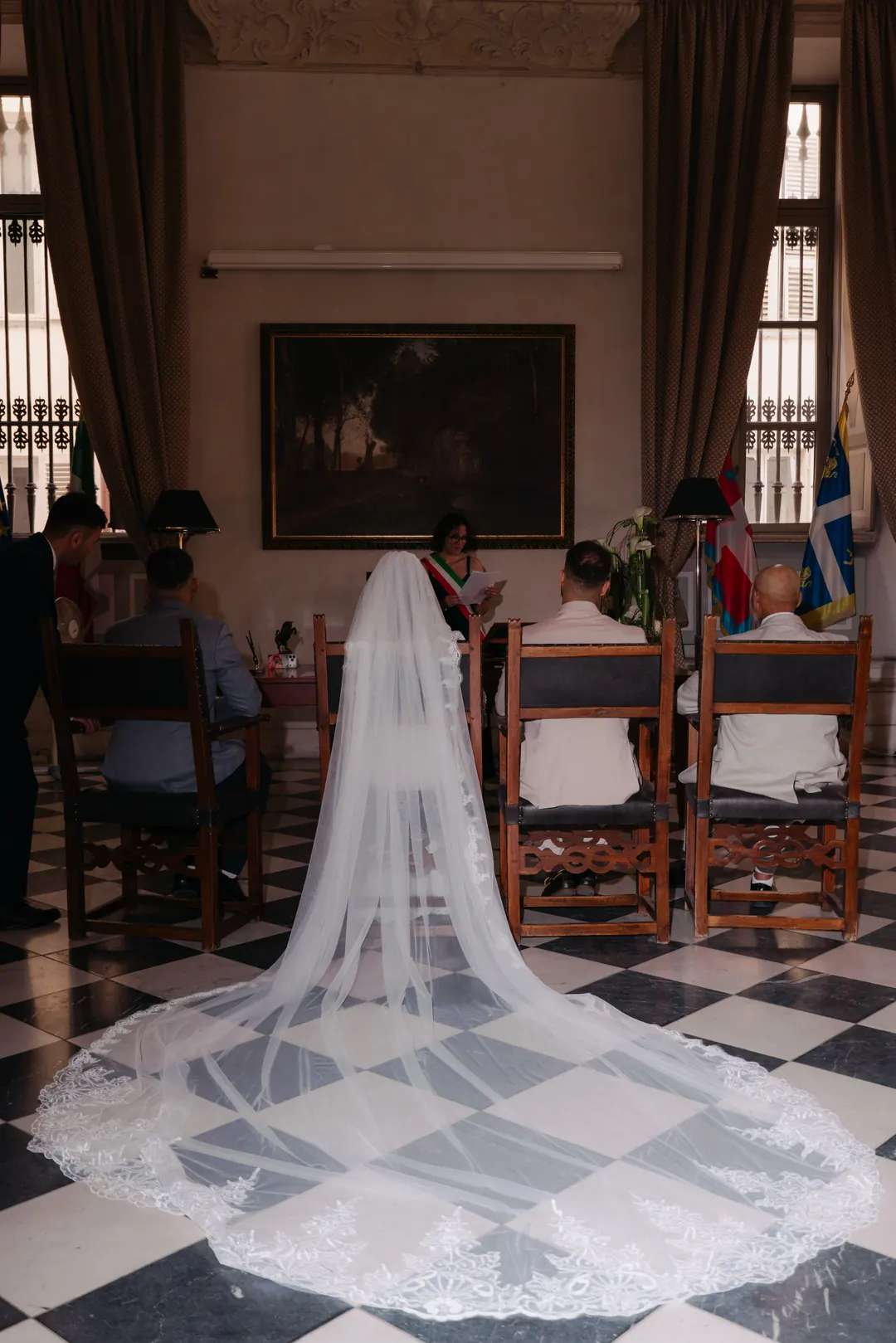
A civil ceremony at an Italian town hall is short, and the comune sets the time slot, so the rest of the day bends around it. The nikah itself can be brief too, but leave room for the people around it: parents who want a moment, elders who want to speak, and guests who want to greet you.
Choosing a venue for a Muslim wedding in Italy
I won't hand you a list of "halal wedding venues in Italy", because what matters is not a label on a website but whether the venue will adapt. Ask each one these questions in writing.
Halal catering
Ask whether the caterer can source halal-certified meat, who certifies it, and whether they will show you the certificate. Ask how they keep it separate in the kitchen, with separate utensils and surfaces if that matters to you. Remember that Italian cooking uses wine in sauces, risotto and desserts, and that some cured meats appear in canapés by default. Ask for the full recipe list, not just the menu titles.
An alcohol-free reception
Many venues sell drinks packages built around wine and spirits. If you want a dry reception, say so at the first meeting, ask for an alcohol-free package in writing, and ask what replaces the toast: fresh juices, sherbet, Turkish coffee, tea. Some families allow a separate bar for guests who drink; others prefer none at all. Both are fine. Just decide before you sign.
Separate spaces and women-only moments
Some families want men and women seated separately, a women-only part of the evening, or both. Ask whether the venue has two rooms close together, a salon that can be closed, or space for a partition. For some guests a women-only dance is the one moment they can remove their headscarves, so it also needs doors that close and staff who knock.
A prayer room and the qibla
Ask for a quiet, clean room near the reception with space for several people at once, and somewhere to perform wudu. From Turin the qibla lies roughly south-east, about 121 degrees from north; any compass app will confirm it on the day. A stack of clean prayer mats and a sign on the door make a big difference to elderly guests.
Timing around prayers, Ramadan and the Eids
Prayer times on a summer evening
Italian summer days are long. In Turin in June, sunset comes after 9 pm, so Maghrib falls in the middle of a typical Italian dinner and Isha falls very late. Plan a natural pause for each prayer, check the exact times for your date with your imam or a trusted prayer timetable, and tell the caterer, so food is not served to an empty room. On a Friday, remember Jumu'ah at midday when you plan the civil ceremony.
Ramadan and the Eids
Many couples avoid Ramadan, when guests fast through the day and evenings belong to iftar. Ramadan is expected to run from around 8 February to 8 March 2027 and from around 28 January to 25 February 2028. Eid al-Adha falls about ten weeks after Ramadan ends, in mid-May in 2027 and early May in 2028. Exact dates depend on the moon sighting your community follows, so confirm them with your imam before you book.
Some Shia families also avoid weddings during Muharram, especially its first ten days. The Islamic new year, and with it Muharram, is expected to begin around 6 June 2027 and around 25 May 2028. If your families observe it, check it before you hold a date.
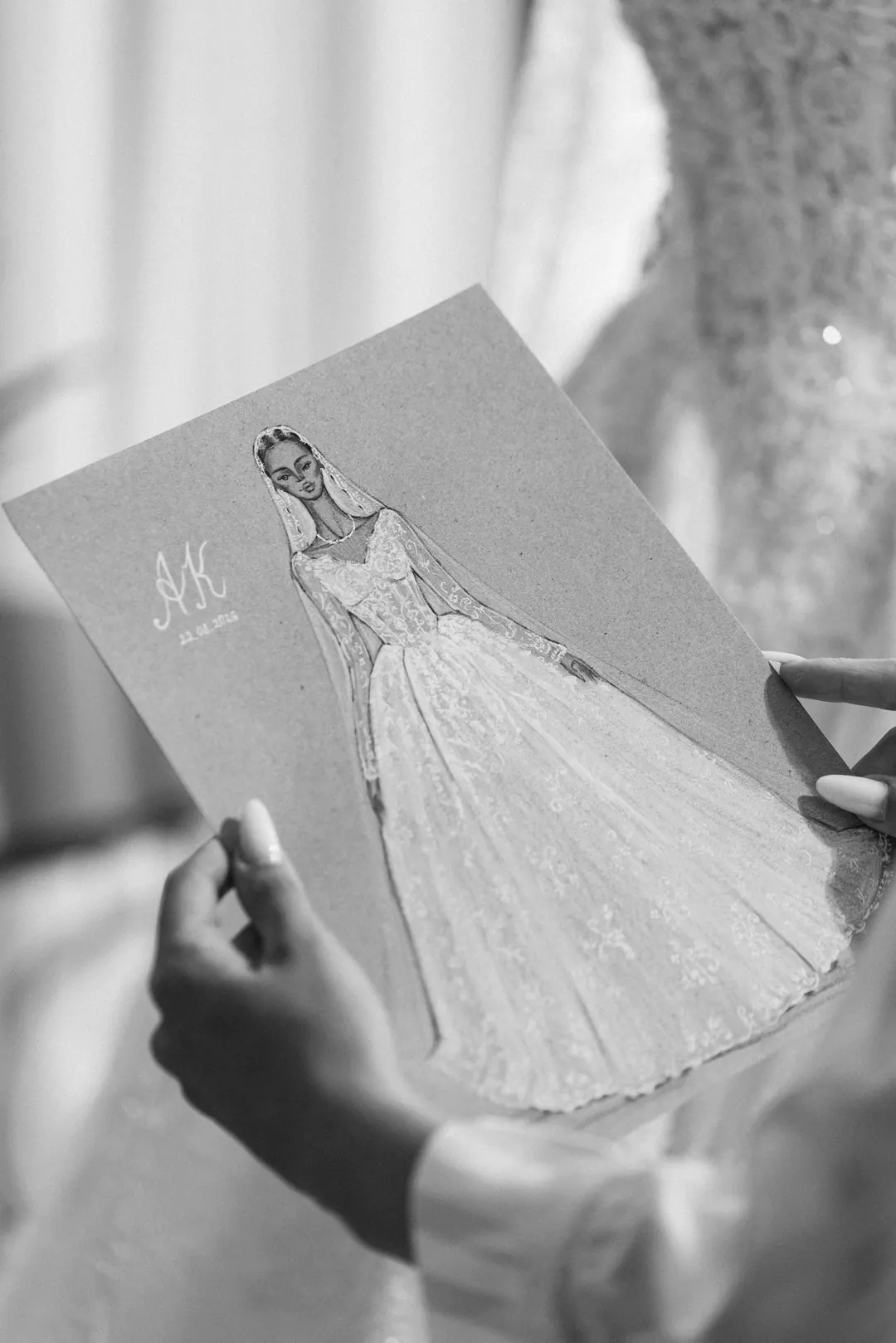
The good news: Italy's main wedding season, May to September, is clear of Ramadan in both years, though Eid al-Adha falls in May and Muharram begins in late May or June.
Photography etiquette at a nikah
This is where I can help most, and where a good conversation before the day matters more than any camera.
Ask the imam first. Some imams welcome photographs throughout; others prefer no photography during the recitation or the contract itself, or only from the back of the room. I follow whatever he asks, and I never use flash during the ceremony.
Prayer is not a photo opportunity. I do not photograph people praying unless the family specifically asks me to, and then only from a respectful distance. I take my shoes off where the prayer space requires it.
Modest portraits. Not every couple wants a kiss on camera. Tell me what feels right for you and your families: holding hands, foreheads together, walking side by side, or simply standing close. My style is documentary; I would rather you forgot I was there than felt posed, which suits couples who want natural, modest pictures.
Women-only moments. I am a man, and I will say so plainly. If women-only parts of the day matter to you, tell me early. I can stay out of the room entirely, photograph only moments you choose, or a second photographer can be added to the day. We agree it in writing before the wedding.
Privacy afterwards. Tell me if any images, or any guests, must never appear publicly. Some guests prefer not to be photographed at all; a quiet word with me at the start of the day is enough.
How I can help
I photograph and film weddings across Italy from my base in Turin, and I have photographed weddings in Baku, Istanbul and Piedmont; you can see them on my work page. I speak with families and guests in their own language on the day: Azerbaijani, Turkish, Russian, English or Italian. Elders can talk to me directly, and I understand the announcements and the jokes.
Every collection includes a pre-wedding consultation, where we build the timeline around the civil ceremony, the nikah, prayer times and the evening light, and plan where women-only moments will happen. You can see how this works on how it works; I send my collections and prices personally once I know your date and venue. If your families are from Azerbaijan or Türkiye, my pages on Azerbaijani weddings in Italy and Turkish weddings in Italy go deeper into the traditions.
FAQ
Is a nikah legally valid in Italy?
Not on its own. No Islamic organisation has an agreement (intesa) with the Italian state, and a religious minister's acts have civil effect only if the government has approved his appointment and the civil formalities are followed. In practice, couples marry civilly in Italy, with a nulla osta from their own country, or legally at home before the celebration. Confirm your situation with the comune and, if needed, a lawyer.
Can an imam perform our nikah at the wedding venue?
Usually yes, if the imam agrees and the venue gives you a suitable room. Italian law does not regulate a ceremony without civil effect, so the location is between you, the imam and the venue. Ask the imam early whether he travels, how long he needs, and whether he requires anything special in the room, such as a table for signing the contract.
Do we need the civil ceremony before the nikah?
Italian law does not set an order for a religious ceremony that has no civil effect. Many couples hold the civil ceremony first, often on the same morning, and the nikah later in the day. Some imams prefer to see a civil marriage certificate before the nikah, so ask yours. What matters legally is that the civil marriage happens somewhere.
Can we have an alcohol-free wedding at an Italian venue?
Yes. Ask at the first meeting and get it in writing, because many venues price their packages around wine and spirits. Agree what replaces the toast, what the bar serves, and whether you want any alcohol on site at all. Check the menu recipes too: Italian kitchens often cook with wine, and canapés can include cured pork by default.
How do we find halal catering in Italy?
Ask each caterer whether they can source halal-certified meat, who certifies it, and to show you the certificate. Ask how the meat is stored and cooked separately. Some venues allow an external halal caterer; others insist on their own kitchen. A tasting with your families is the best test, and it is worth doing before you sign the venue contract.
Can we get married during Ramadan?
You can, but many families avoid it, because guests fast during daylight and the evenings centre on iftar. Ramadan is expected around 8 February to 8 March 2027 and around 28 January to 25 February 2028. Exact dates depend on the moon sighting your community follows, so confirm them with your imam before you choose a date.
Can you photograph women-only parts of the wedding?
I am a man, so tell me early how you want those moments handled. I can stay outside the room, photograph only the moments you choose, or a second photographer can be added to cover them. We agree the plan in writing before the day, and I will brief anyone who joins me on what may and may not be photographed.
Will you photograph during prayers or the khutbah?
Only if the imam and your family want it. Some imams welcome photographs throughout, others prefer none during the recitation or the contract. I never use flash during the ceremony, I do not photograph people praying unless the family asks, and I take off my shoes where the prayer space requires it.
Planning your nikah in Italy
If you are planning a nikah in Italy, with a civil ceremony here or a legal wedding at home, send me your date and venue through the contact page. I reply personally within a day or two, and I am happy to talk it through in Azerbaijani, Turkish, Russian, English or Italian.
Sources
- Presidenza del Consiglio dei Ministri: agreements (intese) with religious confessions approved by law
- Legge 24 giugno 1929, n. 1159, article 3 (approval of ministers of admitted religions), Normattiva
- Legge 24 giugno 1929, n. 1159, article 7 (civil effect of marriages before those ministers), Normattiva
- Ministero della Giustizia: couples of different nationalities, marriage (article 116 Civil Code)
- Comune di Lucca: weddings for foreigners not living in Italy
- Wikipedia: Marriage in Islam (nikah, mahr, wali, witnesses)
- Wikipedia: Ramadan (dates 2024 to 2028)
- Wikipedia: Islamic New Year (estimated dates)
- Wikipedia: Azerbaijani wedding traditions (kəbin)
- Vikipedi: Türk düğün gelenekleri (imam nikâhı)
Keep reading
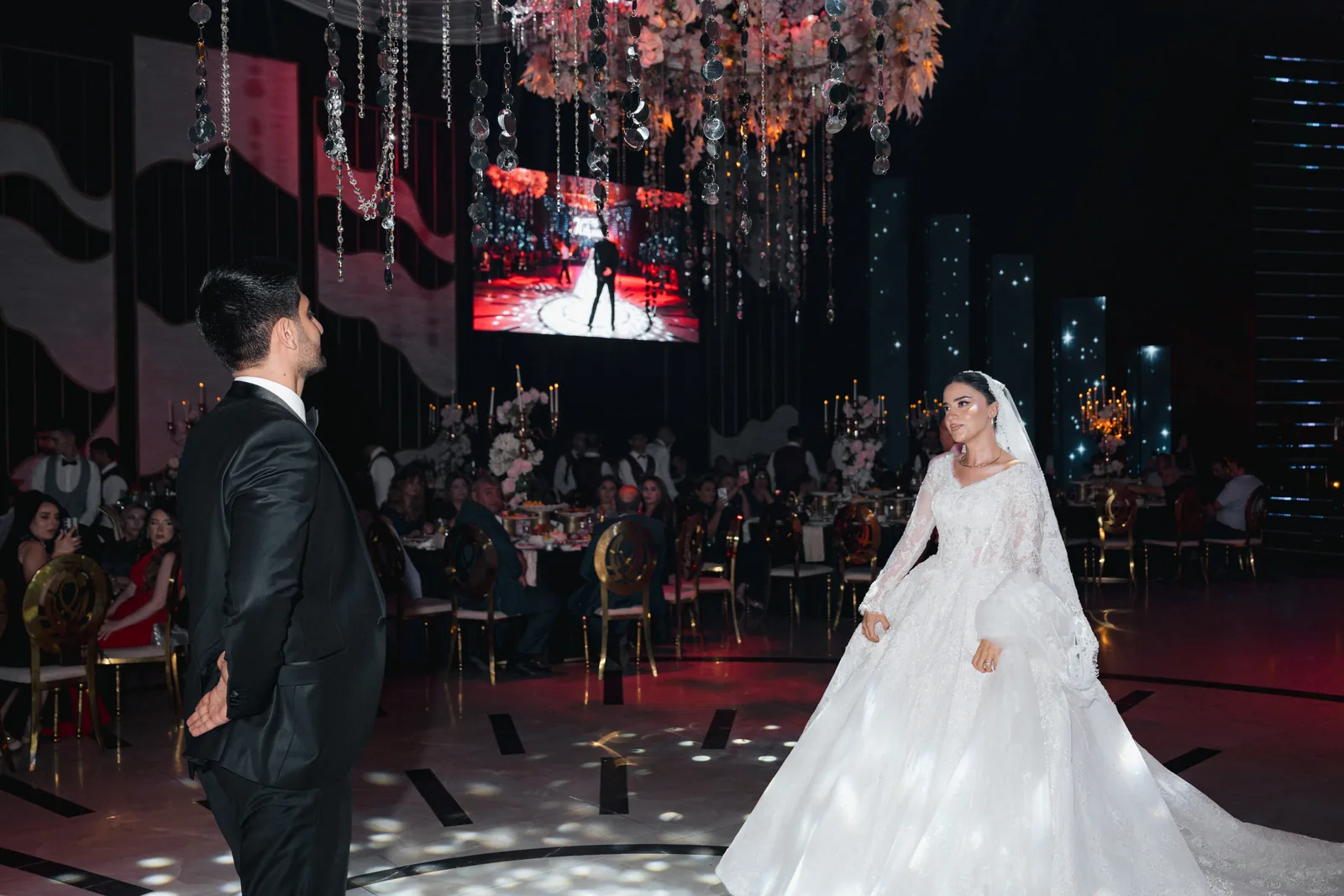 Azerbaijani weddingsAn Azerbaijani wedding in Italy: traditions, venues and paperworkAn Azerbaijani wedding in Italy goes well when the venue understands what a toy is: a big guest list, live music, hours of dancing and families at the centre of everything. Here is how the traditions fit, what to ask venues, and how the legal side works.
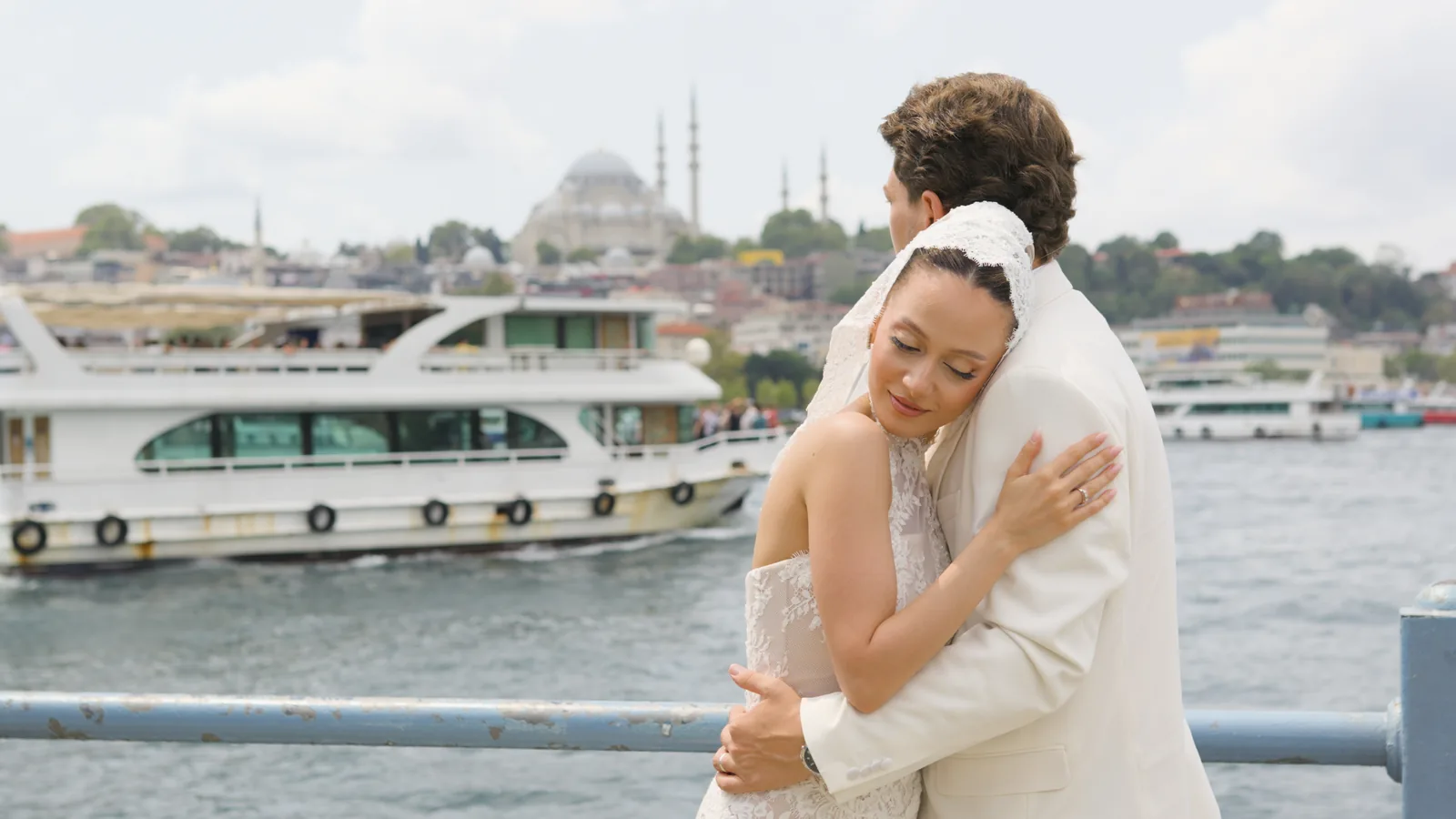 Turkish weddingsA Turkish wedding in Italy: traditions, venues and documentsA Turkish wedding in Italy needs a venue that understands a düğün: a long guest list, davul and zurna, a takı töreni and a dance floor that stays full. Here is how the traditions fit, what Turkish citizens need to marry legally in Italy, and how I can help.
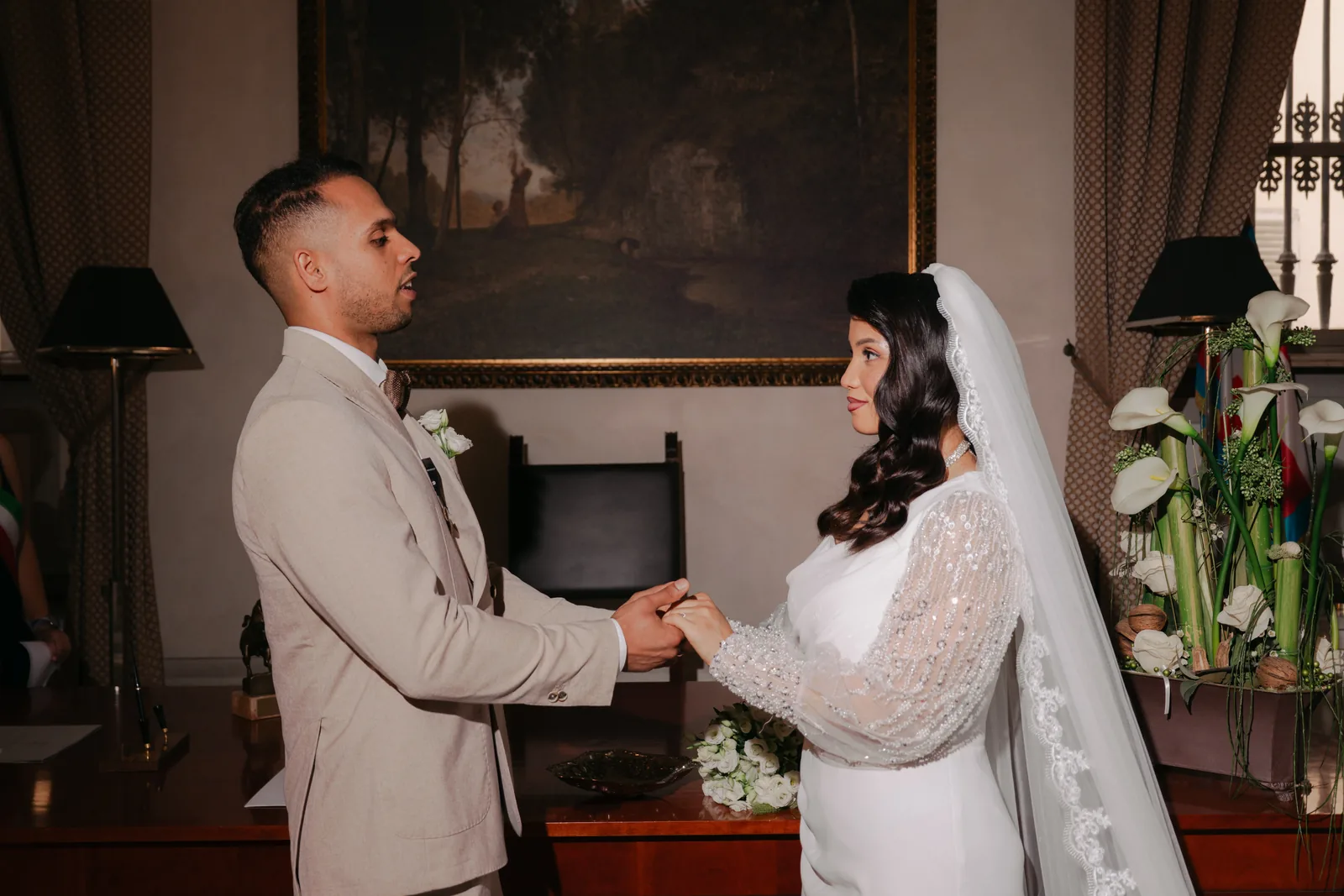 Planning guideCivil wedding in Italy for foreigners: the documents, the steps and the rules by nationalityTwo foreigners can marry legally in Italy, and the marriage is normally recognised at home. You need a nulla osta from your own country, translated and stamped documents, two witnesses and a booking with the town hall. Here is how it works, step by step and nationality by nationality.